Rough Cement: A Unique Font for Branding That Stands Out
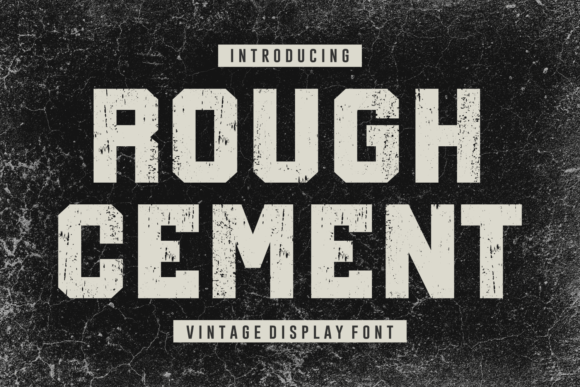
As a small business owner, every detail matters. From your logo to your packaging, your brand needs to feel cohesive, professional, and memorable. That’s where the Rough Cement font comes in. This display typeface mimics the look of marker board writing, giving your brand a handcrafted, approachable vibe that’s perfect for creative businesses, local shops, and makers looking to connect with customers.
Rough Cement isn’t just another decorative font—it’s a design asset that can elevate your brand identity. Whether you’re designing a café menu, a boutique logo, or a set of product labels, this font adds a personal, human touch that sets you apart from generic sans serif fonts. It’s the kind of typeface that feels familiar yet distinctive, like a handwritten note from a friend.
Why Font Choice Matters for Small Businesses
Your font choice is more than just a design detail—it’s part of your brand’s personality. The right font can make your business feel trustworthy, creative, or elegant, depending on how it’s used. For small businesses, consistency is key. Using the same font across your website, social media, and packaging helps customers recognize your brand at a glance.
Rough Cement works especially well for brands that want to feel warm and approachable. If you run a local bakery, a handmade candle shop, or a wellness coaching business, this font can help you build a visual identity that feels genuine and down-to-earth. It’s a display font, which means it shines brightest in headlines, logos, and short bursts of text—not long paragraphs.
Real-World Uses for Rough Cement
- Logo design: Use Rough Cement to create a brand logo that feels personal and memorable. It works especially well for small studios, creative agencies, and service-based businesses.
- Packaging design: Whether you sell candles, coffee, or skincare products, this font adds a rustic, artisan feel to product labels and boxes.
- Social media graphics: Stand out in crowded feeds with Instagram stories, Pinterest pins, or Facebook ads using this expressive typeface.
- Business cards and thank-you notes: Make a lasting impression with custom stationery that reflects your brand’s voice and values.
- Menu design: Perfect for cafés and food trucks, Rough Cement gives your menu a casual, welcoming feel.
How to Use Rough Cement Effectively
Because Rough Cement is a display font, it’s best used for short text. Think headlines, quotes, and callouts—not body copy. When used sparingly, it draws attention without overwhelming your audience. It’s especially effective when paired with a clean, readable font like a modern sans serif or a classic serif. This kind of font pairing helps maintain readability while still giving your design visual interest.
For example, if you’re designing a candle brand label, use Rough Cement for the product name and a simple sans serif for the ingredients and care instructions. On your website, try using it for hero banners or featured quotes, then switch to a more neutral font for navigation menus and blog posts.
Readability in Real Business Settings
One of the most important things to consider when choosing a font is readability. A beautiful font that’s hard to read can hurt your brand more than help it. Rough Cement strikes a good balance—it’s expressive but still legible in most real-world applications.
When printing on small product labels or stickers, make sure the font size is large enough to read easily. On mobile screens and social media thumbnails, test how the font looks at different sizes and resolutions. If you’re using it for packaging, consider how it appears in both color and black-and-white print.
Test Before You Commit
Before using Rough Cement across your entire brand, test it in a few key places first. Try it on a mock-up of your product packaging, a sample business card, or a landing page. Ask a few customers or trusted friends what they think. Does it feel professional? Is it easy to read? Does it match the kind of business you are?
You can also download a free sample version of the font if available, or use online mock-up tools to see how it looks in different contexts. This helps you avoid costly design mistakes and ensures your brand looks polished and intentional.
Pairing Rough Cement with Other Fonts
Font pairing is one of the easiest ways to add visual depth to your brand materials. Since Rough Cement is a decorative, handwritten-style font, it pairs well with cleaner, more structured typefaces. Here are a few combinations to try:
- Rough Cement + Montserrat: A modern sans serif that balances the organic feel of Rough Cement with a clean, professional look.
- Rough Cement + Playfair Display: For a more elegant, editorial feel—perfect for luxury brands or boutique packaging.
- Rough Cement + Lato: A soft, rounded sans serif that keeps your design feeling friendly and accessible.
These pairings help maintain a consistent visual hierarchy while letting Rough Cement shine where it matters most.
Make Sure You Have the Right License
Before using Rough Cement on product packaging, digital downloads, or client work, always check the font’s licensing terms. Many fonts are free for personal use but require a commercial license for business applications.
Commercial font licenses ensure your brand stays legally compliant and supports the designers who create these valuable tools. Whether you’re using the font for a product label, website, or marketing materials, having the right license gives you peace of mind and protects your business from legal issues down the line.
Build a Brand Identity That Feels Real
In a world full of cookie-cutter branding, Rough Cement offers a refreshing alternative. It’s a display font that feels handmade, human, and heartfelt—perfect for small businesses that want to stand out without looking overly polished or impersonal.
Whether you’re launching a new product line, redesigning your logo, or updating your social media content, Rough Cement can help you build a brand that feels authentic and memorable. It’s more than just a font—it’s a tool for telling your story, connecting with customers, and creating a visual identity that lasts.