Mushgroof: A Playful Display Font for Modern Web Design
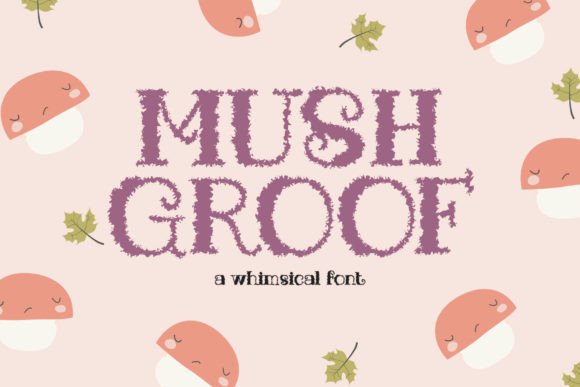
As a web designer, I’m always on the lookout for fonts that bring personality without compromising usability. Mushgroof is one of those rare display fonts that manages to be both whimsical and functional. Its fuzzy, textured appearance gives it a handcrafted charm, making it ideal for digital projects that need a touch of warmth and creativity.
At first glance, Mushgroof stands out with its soft, irregular outlines and slightly uneven baseline. These characteristics give it a handmade, approachable feel—perfect for brands that want to appear friendly and accessible. Unlike overly polished typefaces, Mushgroof feels alive and organic, which can help digital designs stand out without feeling forced or artificial.
How Mushgroof Enhances Web Design
When it comes to web design, Mushgroof shines in areas where visual impact matters most. It’s best suited for short bursts of text like headers, hero titles, call-to-action buttons, and logo treatments. Because of its decorative nature, it’s not ideal for long blocks of body copy, but as a display font, it excels in grabbing attention and setting the tone.
On landing pages, Mushgroof can be used to anchor the hero section. A bold headline in Mushgroof immediately communicates a brand’s playful or creative identity. For online stores targeting a younger or artistic audience, this font can be the difference between a generic layout and one that feels authentically curated.
It also works well in portfolio sites and creative agency pages. When paired with clean, minimalist layouts, Mushgroof adds a touch of contrast and visual interest. Think of a personal branding site where the designer’s name appears in Mushgroof at the top of the page—soft, memorable, and uniquely personal.
Readability and Visual Hierarchy
One of the biggest concerns when using a decorative font like Mushgroof is readability. On larger screens and in high-contrast environments, Mushgroof performs well. However, on smaller mobile screens or when used over complex backgrounds, it may lose clarity. To maintain legibility, use it in short phrases and ensure ample spacing and contrast.
Visual hierarchy is another area where Mushgroof can support your design. Since it naturally draws the eye, it’s effective as a top-level heading or section title. Pairing it with a simple sans serif font like Helvetica or Open Sans for body text creates a balanced contrast that guides the user through the content without overwhelming them.
For example, on a course sales page, you might use Mushgroof for the course title and a clean, readable font for the bullet points and descriptions. This structure ensures that the playful tone is maintained while still supporting readability and conversion goals.
Brand Tone and Digital Identity
Fonts play a crucial role in shaping brand tone. Mushgroof leans into a lighthearted, creative, and slightly nostalgic aesthetic. It’s perfect for brands that want to feel approachable, imaginative, and human. Whether you're designing a boutique shop, a coaching website, or a digital product aimed at children or creatives, Mushgroof helps reinforce that brand personality visually.
Consistency in online identity is essential, and Mushgroof supports that by offering a cohesive look across different digital assets. From website headers to social media graphics and email banners, using Mushgroof as a signature typeface ensures that your brand remains instantly recognizable.
Practical Use Cases
Here are a few real-world applications where Mushgroof performs well:
- Creative Portfolio Sites: Use Mushgroof for project titles or your name in the header to give your work a personal, artistic feel.
- Boutique Online Stores: Apply it to product titles or promotional banners to create a warm, inviting shopping experience.
- Coaching or Wellness Websites: Mushgroof’s softness complements brands that focus on mindfulness, self-care, or personal growth.
- Course Sales Pages: Make your course title stand out with a font that feels both professional and engaging.
- Blog Headers: Add a touch of charm to your blog’s featured posts or category titles.
For best results, use Mushgroof at larger sizes where its texture can be appreciated. Avoid using it for long paragraphs or small text elements like footers or form labels.
Design Tips for Using Mushgroof
When incorporating Mushgroof into your web design, consider the following:
- Responsive Design: Ensure that Mushgroof scales well on mobile devices. You may want to adjust letter spacing or switch to a simpler font for smaller breakpoints.
- Contrast: Use Mushgroof on light or dark backgrounds with strong contrast to maintain readability.
- Image Overlays: If placing the font over images, consider a semi-transparent background or text shadow to help it stand out.
- Font Pairing: Pair Mushgroof with a neutral sans serif or serif font to balance its decorative qualities. For example, combining it with a font like Lato or Merriweather can create a modern yet warm digital identity.
Font Availability and Licensing
Before using Mushgroof on a live website or client project, verify that you have the appropriate webfont license. Many display fonts come with commercial licenses that allow use across websites, online stores, landing pages, and digital templates—but it’s always worth double-checking.
Check if the font package includes multiple weights, alternates, and multilingual support. These features can enhance your design flexibility, especially if your audience is global or you plan to use the font in different contexts.
If you're purchasing Mushgroof as part of a broader font collection or marketplace, make sure it’s available in web-optimized formats like WOFF or OTF, and that it integrates smoothly with your design tools (Figma, Adobe XD, or CSS via @font-face).
Final Notes on Mushgroof
Mushgroof is more than just a decorative typeface—it’s a tool that brings warmth, personality, and visual rhythm to digital design. When used thoughtfully, it can elevate your website’s aesthetic, reinforce your brand’s tone, and create a more engaging user experience.
Whether you’re building a landing page, designing a digital course, or crafting a boutique brand identity, Mushgroof offers a unique blend of charm and usability that’s hard to find in other display fonts. As with any creative asset, the key is to use it intentionally and pair it with complementary design elements to ensure your message remains clear, consistent, and compelling.